You are here:
Pneumatic Rivet Nut Gun Guide: Cylindrical, Hex, Through-Hole and Blind
They all get called rivet nuts, but the market sells many types, and picking the wrong one leads straight to spinning, loosening or leaks. This guide sorts the types a pneumatic rivet nut gun has to set into four dimensions: head style, body shape, end design and material, then gives a selection method that process engineers and buyers can order against.
The pneumatic line is what most plants run day to day - smooth feeding, easy air-line maintenance and parts that are always available. Everything below applies to pneumatic rivet nut gun work in that shop-floor setting.
What sheet metal and enclosure plants should remember: by body shape: the decision that matters most; by head style; by end design: through-hole vs. blind; by material and size.
1. By Body Shape: The Decision That Matters Most
| Type | Prepared hole | Strengths and typical use |
|---|---|---|
| Cylindrical, plain | Round hole | The most common type, lowest cost and simplest to punch; suits general sheet metal and joints that carry little torque |
| Knurled (straight knurl) | Round hole | The knurl bites into the sheet to resist torque and spinning; good where parts are serviced repeatedly or a moderate torque is specified |
| Hex / half-hex | Hex hole | Six flats lock the nut against rotation and give the highest torque resistance; common at load points in automotive parts and power distribution cabinets, but the punching has to be accurate |
2. By Head Style
Flat head (pan head) sits against the sheet with only a slight proud height after setting and spreads the clamp load over a wide area, which makes it the default on inner faces and surfaces nobody sees. Countersunk (flush) and small countersunk heads finish almost level with the sheet, so they go on visible faces, slide rail mating surfaces and anywhere flatness is specified, and they need a machined counterbore. Every head style has its own matching nosepiece anvil; mixing them crushes the panel or forms a poor upset.
On the shop floor, the air supply and the nosepiece fit decide whether the rated cycle time holds.
3. By End Design: Through-Hole vs. Blind
| Compare | Through-hole (open end) | Blind (closed end) |
|---|---|---|
| Structure | Open at both ends, so the mandrel passes through | The thread end is closed and the mandrel never exits the back |
| Sealing | Not sealed | Blocks liquid and moisture; used on tanks, pipe runs and outdoor parts |
| Sheet thickness range | Wide | Limited by the closed end, so pick the thickness from the catalog |
| Cost | Low, and the most common choice | Higher |
For the handling differences and the hole preparation between the two, see through-hole and blind rivet nuts: setting points to watch.
4. By Material and Size
The usual materials are steel (zinc plated), aluminum, stainless steel and copper. Steel nuts are strong and cheap and go into ordinary cold-rolled sheet; aluminum nuts are light and compatible with aluminum profiles; stainless steel covers outdoor work, kitchen and sanitary fittings and other corrosion-resistant jobs; copper nuts serve conductivity and special cases. Sizes run from M3 to M12, and the sheet thickness together with the thread size decides the exact part number, so an oversize nut will not go in and an undersize one will not carry the load. Match the nut to the screw and to the environment as well: steel nuts with steel screws, stainless where corrosion is the issue, copper where conductivity matters and the budget allows. On joints that stay loaded or come apart often, step up to a hex or long-body nut in the same thread size, because the longer thread engagement lasts longer.
Pneumatic maintenance is simple, but it is not optional - water in the line is the usual culprit.
5. A Four-Step Method for Your Pneumatic Rivet Nut Gun
First, fix the thread size, meaning the M-size of the screw that will go in later. Second, check the sheet thickness, which has to fall inside the grip range for that size. Third, choose the body from the load and the anti-rotation demand: plain for an ordinary round hole, knurled where torque is specified, hex for the demanding joints. Fourth, choose the head style and the through-hole or blind end from the appearance and sealing requirements, then pick the nut material from the workpiece material. If you are unsure, send the sheet thickness, the hole diameter and the application to the factory, or simply mail a sample sheet and have it set. For how far one machine covers different sizes, see can one auto-feed blind rivet machine handle every rivet size; rivet nuts work the same way, with a mandrel and a feed channel per size.
Rivet Nut Type FAQ
Shop-Floor Questions
A plain nut in a round hole has limited torque resistance. Switch to a knurled or hex nut with the matching prepared hole, and confirm the setting stroke is complete and the nut is seated flat on the sheet.
Go with stainless steel and a blind, closed-end nut, and add a sealing washer so rain cannot track down the thread.
Changing the mandrel and the anvil switches size and head style. Round-hole and hex-hole nuts are fed and located differently, though, so list every type you use when specifying automatic equipment and let the factory assess it.
Too deep and the set point sinks into the sheet; too shallow and the head stands proud. Cut the punching die to the catalog dimensions for the nut and run a first-article inspection.
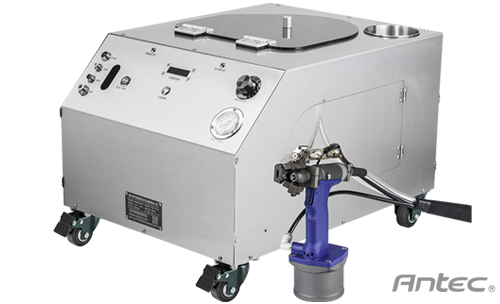
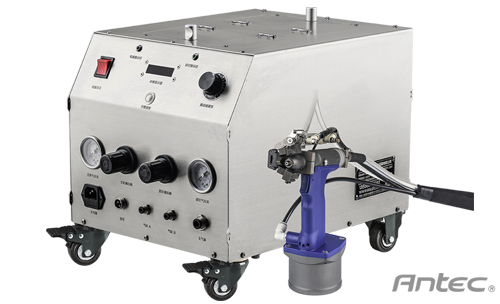
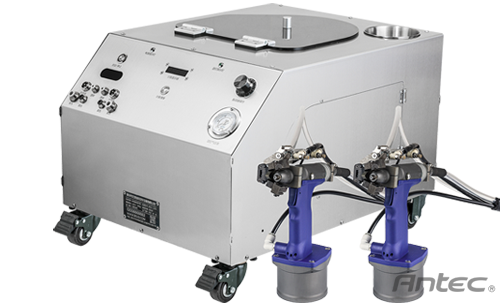
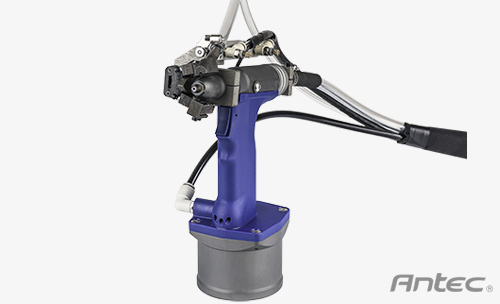
Pneumatic Rivet Nut Gun at a glance: 12,800 N pull force, 50-60 rivets per minute, in stock with fast dispatch, on-site commissioning and parts supply.
Parts are held in stock and commissioning is done on site, so the line starts at the rated 50-60 rivets per minute.
Sheet metal plants: try it on your own panels
Send the rivet size and sheet thickness. We will match the auto-feed machine or the pneumatic gun, then run your panels on site before you decide.
6. Buying and Usage Mistakes to Avoid
The first mistake is buying on nut price alone. Cheap nuts vary in dimension and carry burrs, which jams the feed and wears the mandrel, and the saving does not cover a single stopped line. The second is mixing sizes and suppliers at one station: different makers and head styles fed into the same gun cause feed and forming problems, so fix the supplier and the part number. The third is a plain nut in a high-torque joint: where a knurled or hex nut belongs, a plain one spins and the work has to be redone. The fourth is buying the machine and the nuts separately so they never quite match; let one supplier confirm the machine, the nut specification and the hole process together. The fifth is loose stock, with sizes mixed in one bin and sorted only at the machine, which costs cycle time and invites the wrong size.
Yes. Ask for samples of each type in your actual sheet thickness and hole size, then run the first-article check during a free on-site trial and confirm the set, the torque and the appearance before you fix the production specification.
Further reading: uses, working principle and common questions · rivet nuts in sheet metal fabrication · pneumatic rivet nut gun
 Previous