You are here:
Pneumatic Rivet Nut Gun Maintenance: Schedule and Wear Parts
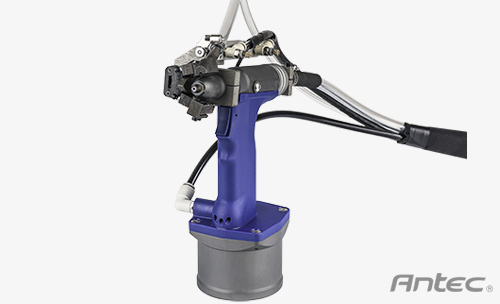
The value of an pneumatic rivet nut gun (pneumatic rivet nut gun) is a consistent internal thread in thin sheet, and thread quality is extremely sensitive to the condition of the mandrel in the nose. A worn mandrel, water in the air line or skipped lubrication shows up directly as thread stripping, a nut that will not collapse, or a mandrel that will not back out. Here are the checks, intervals and wear parts you can post on the shop floor.
Pneumatic models are the mainstream choice in sheet metal shops: they cover the vast majority of standard riveting jobs and are simple to maintain. Everything below applies to pneumatic rivet nut gun work in that shop-floor setting.
What sheet metal and enclosure plants should remember: routine pneumatic rivet nut gun maintenance items and intervals; the wear parts that matter; common maintenance mistakes; spare parts and maintenance records.
1. Routine Pneumatic Rivet Nut Gun Maintenance Items and Intervals
| Interval | Maintenance item |
|---|---|
| Before shift | Check that air pressure is at spec and no fitting leaks; wipe the mandrel and nosepiece clean; dry-cycle and listen for a normal spin-in, pull and spin-out rhythm |
| After shift | Clear metal chips from the mandrel and nose; return leftover nuts from the bowl by size; shut off air and power and coil the feed tube |
| Weekly | Drain the FRL unit and top up air tool oil; lubricate moving parts; clean the vibratory bowl and hopper; wipe the sensors |
| Monthly | Check mandrel thread wear and nosepiece clearance, seal aging, fastener tightness and electrical connections; confirm pull force and stroke settings have not been changed |
| Quarterly | Replace seals and worn mandrels according to duty; run a continuous sample batch and re-check the thread and the collapse forming |
2. The Wear Parts That Matter
The mandrel (pull rod) is the most important and the most overlooked wear part. Every thread size (M4-M12 and so on) has its own dedicated mandrel, and a worn one will not tighten, strips threads and jams the nut, so keep spares by size. The nosepiece or spin sleeve must match the nut head style, and flat head and countersunk parts are not interchangeable. Jaws and collet grip the mandrel and slip once worn. Seals and O-rings leak air and drop pressure as they age. The FRL unit filters, regulates and oils the air, and its element and oil need regular attention. Buy wear parts from the original manufacturer at cost-level prices, because aftermarket parts with inconsistent tolerances take the mandrel down with them.
On the shop floor, the air supply and the nosepiece fit decide whether the rated cycle time holds.
3. Common Maintenance Mistakes
The first is running to failure with no daily inspection, so small wear becomes a damaged gun body. The second is never draining the FRL unit, so moisture reaches the cylinder and causes rust and weak action. The third is continuing to run a mandrel with chipped threads, which produces bad threads and scores the nuts. The fourth is greasing everything: air tool oil and general-purpose grease do different jobs, and excess grease only traps chips. The fifth is changing nut size without changing the mandrel and nosepiece, which turns out bad parts in batches. The sixth is hitting a jammed nose with a hammer; the correct move is to back the mandrel out and clear the obstruction.
4. Spare Parts and Maintenance Records
On a high-cycle line, keep one mandrel and nosepiece set for each common thread size, plus seals and jaws, so nobody waits on a part. A simple check sheet signed every shift and filed monthly extends machine life and makes faults faster to trace. Customers worldwide can get on-site service, wear part replacement and operator refresher training from the manufacturer; repair and spare parts support is described in auto-feed blind rivet machine repair, maintenance and spare parts guide.
Pneumatic maintenance is simple, but it is not optional - water in the line is the usual culprit.
Pneumatic Rivet Nut Gun Maintenance FAQ
Shop-Floor Questions
There is no fixed interval; it depends on daily output, nut material and lubrication. Replace it as soon as inspection finds thread wear, chipped threads or frequent stripping, and keep spares on volume lines.
Use air tool oil in the lubricator as the manual specifies, and the specified grease on mechanical moving parts. General motor oil or bearing grease is not a substitute.
Clean the nose and mandrel, drain the FRL unit, apply protective oil and store it dry. Run a dry cycle and a first-article check before putting it back into production.
After changing a mandrel, nosepiece or seal, confirm the first part by checking collapse forming and thread go/no-go, and fine-tune pull force and stroke if needed.
Pneumatic Rivet Nut Gun at a glance: 12,800 N pull force, 50-60 rivets per minute, in stock with fast dispatch, on-site commissioning and parts supply.
Antec has served more than 800 sheet metal and enclosure plants with free trials, on-site commissioning, parts supply and maintenance.
Sheet metal plants: try it on your own panels
Send the rivet size and sheet thickness. We will match the auto-feed machine or the pneumatic gun, then run your panels on site before you decide.
5. Match the Maintenance Plan to Duty
The same gun needs very different care on one light shift versus three shifts of continuous production. On low duty (single shift, a few hundred nuts a day), shift checks plus weekly draining and oiling are enough, with a quarterly mandrel inspection. On medium duty (one full shift, several thousand nuts a day), inspect mandrel and nosepiece wear monthly and change seals quarterly. On high duty (two or three shifts of continuous auto-feed work), set up a weekly service routine and a monthly wear part replacement schedule, and keep one or two mandrel and nosepiece sets per common size so a night shift or peak season never waits on parts. Keep service records for at least a year; they track wear part life and support any warranty or repair discussion.
Damage caused by not draining and oiling the unit as instructed, or by using non-genuine mandrels and nosepieces, normally falls outside free warranty coverage. Servicing on schedule and keeping records cuts failures and makes any after-sales discussion easier.
Further reading: pneumatic rivet nut gun faults and installation problems · automatic vs standard pneumatic rivet nut gun · pneumatic rivet nut gun
 Previous